

What helped the "Gia Dinh Haha" policy communication program surpass entertainment shows?
17:29 17/10/2025
Phu Nu Viet Nam Newspaper - “Gia Dinh Haha - Nhung ngay troi bao la” has created a sensation not only on the small screen but also on social media platforms.
For the first time, a program with the goal of policy communication could "dominate the airwaves" in both of these spaces, opening up a new, appealing, and highly diffusive path for policy communication work in Vietnam.
When Policy Communication Breaks the Mold
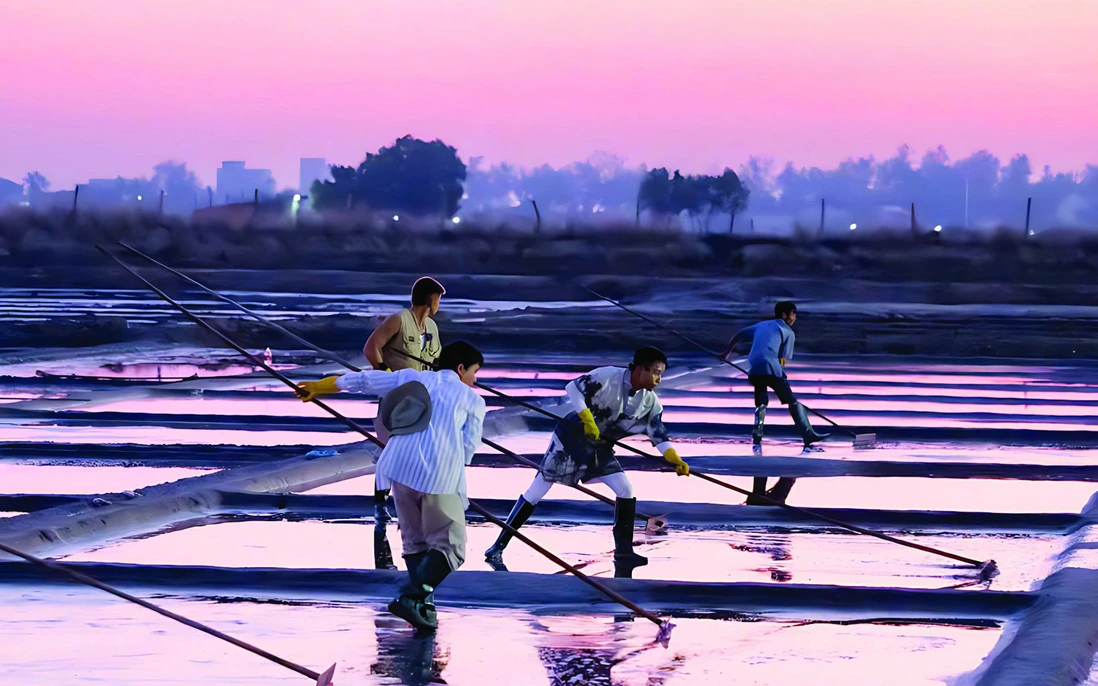
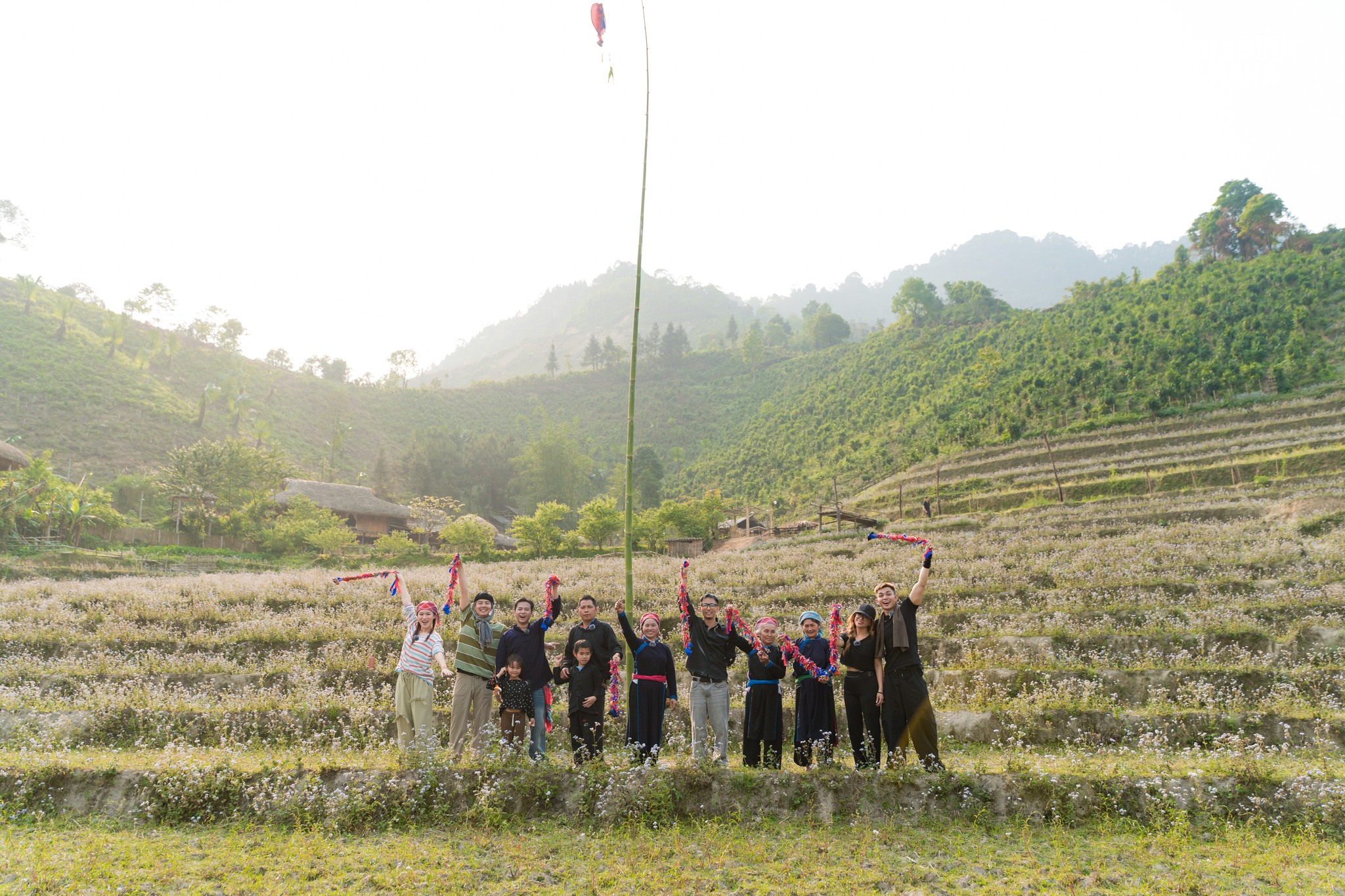
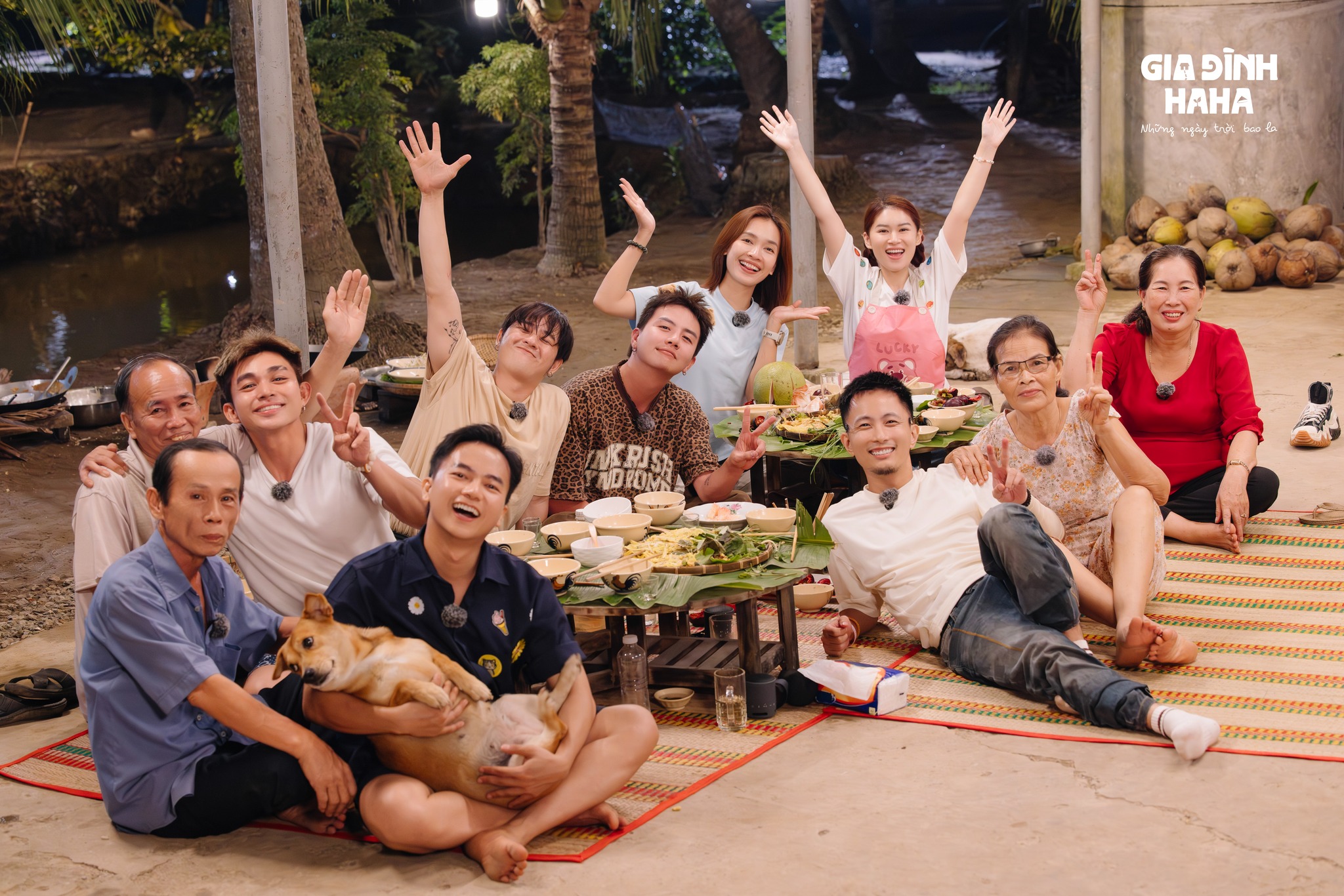
"Gia Dinh Haha - Nhung ngay troi bao la" started as a reality TV program, featuring familiar faces from the entertainment scene like Jun Phạm, Duy Khánh, Rhymastic, Ngọc Thanh Tâm, and Bùi Công Nam. The difference is, instead of a set script, the artists experience the lives of local people together in many different regions, from planting rice on the Ban Lien fields, carrying salt in Sa Huynh, to picking coconuts and harvesting honey in Giong Trom. The authenticity and naturalness in each journey gave the audience the feeling that this wasn't just an entertainment show but also a "healing" journey, where viewers found peace in the slow, intimate pace of life.
Likely, not many people knew that the "Gia Dinh Haha" program was actually a policy communication project jointly implemented by YeaH1, the Ministry of Agriculture and Environment, and TikTok. The program's goal is to promote community tourism, push for green agriculture, and spread environmental protection awareness.
Meaning, from its very roots, the program carried a policy message, but it was cleverly conveyed through experiences, stories, and music, instead of dry slogans. This was a bold and novel choice, because previously, policy programs often carried a heavy propaganda feel, making it hard to retain a mass audience.
Immediately upon airing, "Gia Dinh Haha" instantly garnered attention with outstanding achievements. The first episode topped the charts as the most-watched reality TV program nationwide, according to Kantar Media data. On the YouTube platform, the final episode, nearly 5 hours long, still immediately reached 1.2 million views right after its live premiere and quickly hit the 2.5 million view mark after just 16 hours. To date, the total views for the entire program have exceeded 86 million - a rare number for a show tied to policy communication goals. Not only that, the #GiaDinhHaha hashtag appeared densely on TikTok, and the theme song "Nhung ngay troi bao la" became a trend with a series of travel and "healing" experience clips from young people.
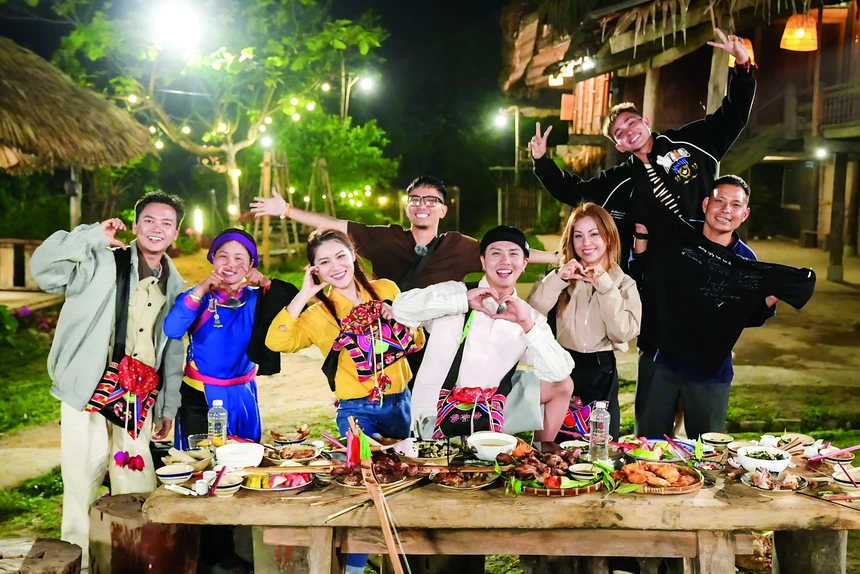
This appeal shows that when policy is brought to life through relatable storytelling, authentic experiences, and the companionship of artists, it can absolutely become appealing and easily touch the public's heart. This is also clear evidence of the resonance capability between two seemingly separate media channels: television creates legitimacy and reliability, while social media amplifies emotions, accelerates the speed of spread, and creates trends.
Results Beyond the Screen
The greatest success of "Gia Dinh Haha" lies not on the screen, but in real life. In Ban Lien, Ms. Vang Thi Thong's family had opened a homestay in 2019, but due to the pandemic, few knew about it. Only after the program aired, her homestay was fully booked for months; tourists flocked to experience farming firsthand, learn to weave brocade, enjoy local specialties, and feel the sincerity of the local people. Not just Ms. Thong's family, many other households in the village also benefited from the wave of tourists, thus, the community economy clearly prospered.
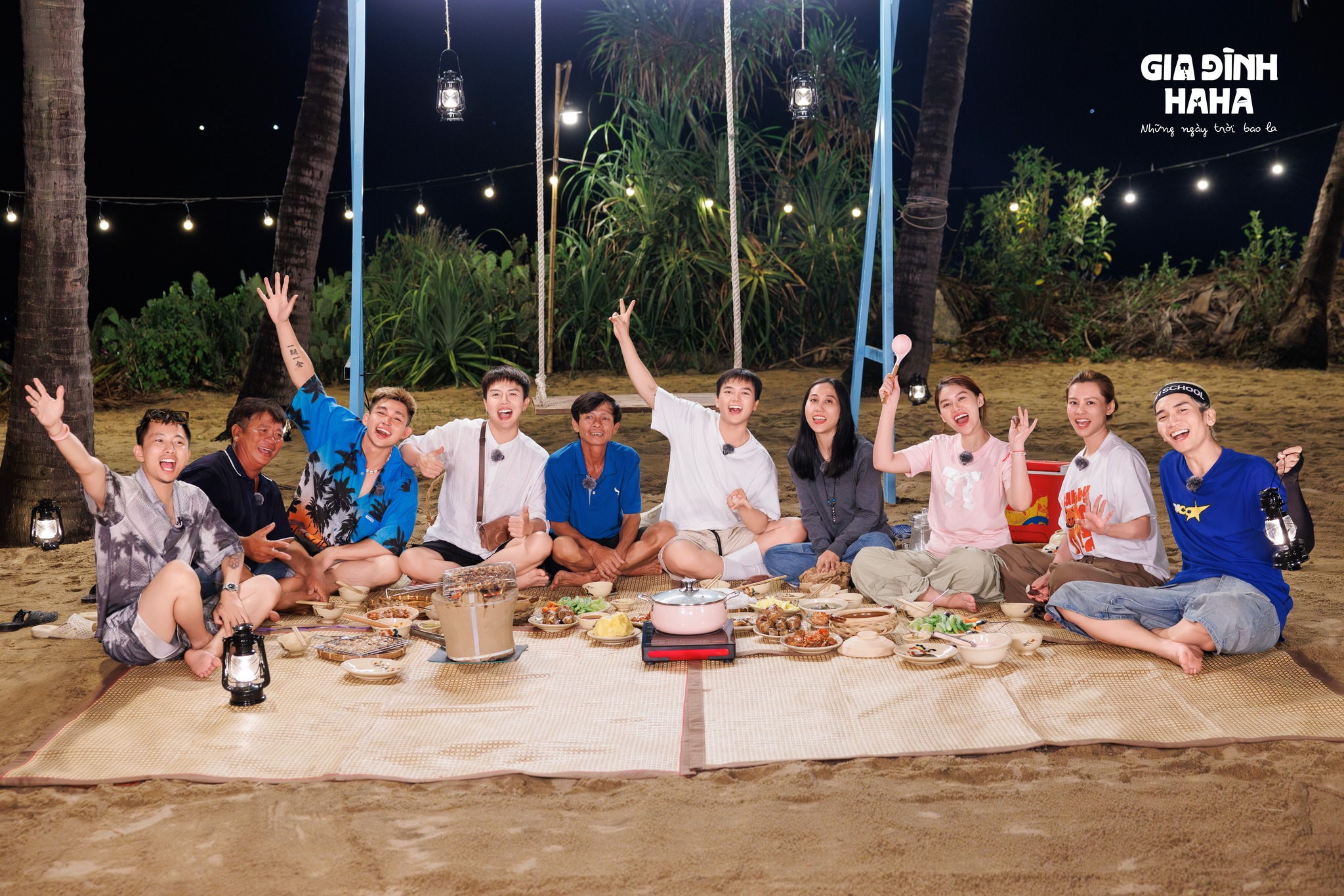
In Sa Huynh, the image of salt workers toiling under the hot sun, especially the story of the 9X female CEO Pham Hong Tham, moved and intrigued audiences. Immediately after, keywords related to "Sahu salt" quickly entered the top searches on e-commerce platforms; the little-known local specialty suddenly became a sought-after item. And in Giong Trom, the simple image of Uncle and Aunty Chin Cuong's family, with their meals, market trips, coconut gardens, and jars of honey, turned the place into a "sold-out" tour destination, especially attracting visitors from Hanoi and HCMC.
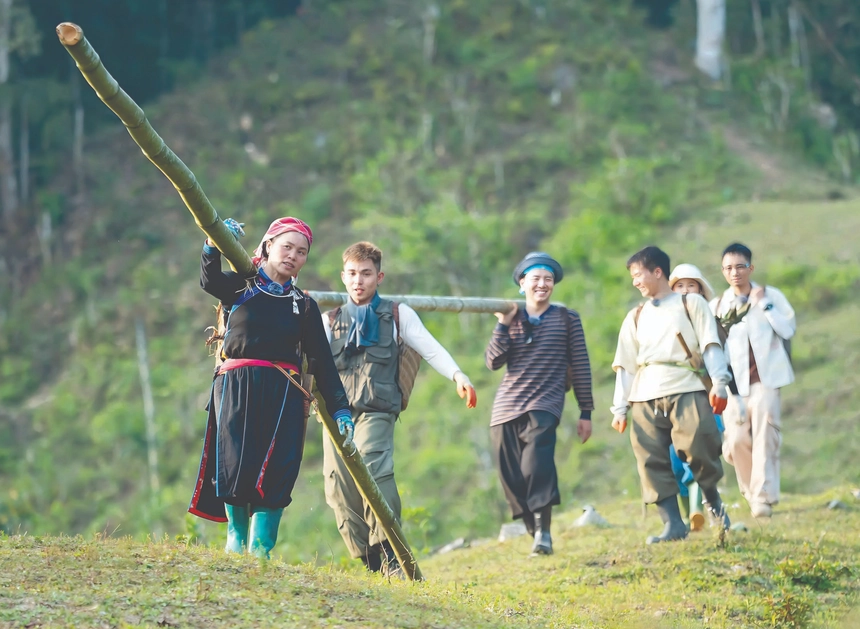
Those stories show that policy communication, if implemented with creative methods, can bring powerful practical impacts. Policies for developing community tourism and a green agricultural economy, which often only existed on paper, have now become vivid experiences, generating revenue for the people, awakening local cultural pride, and encouraging youth to explore. A cultural researcher commented that, policies are easily misunderstood as dry documents, but when retold with art and authenticity, it becomes a humanistic story, easily accepted and spread.
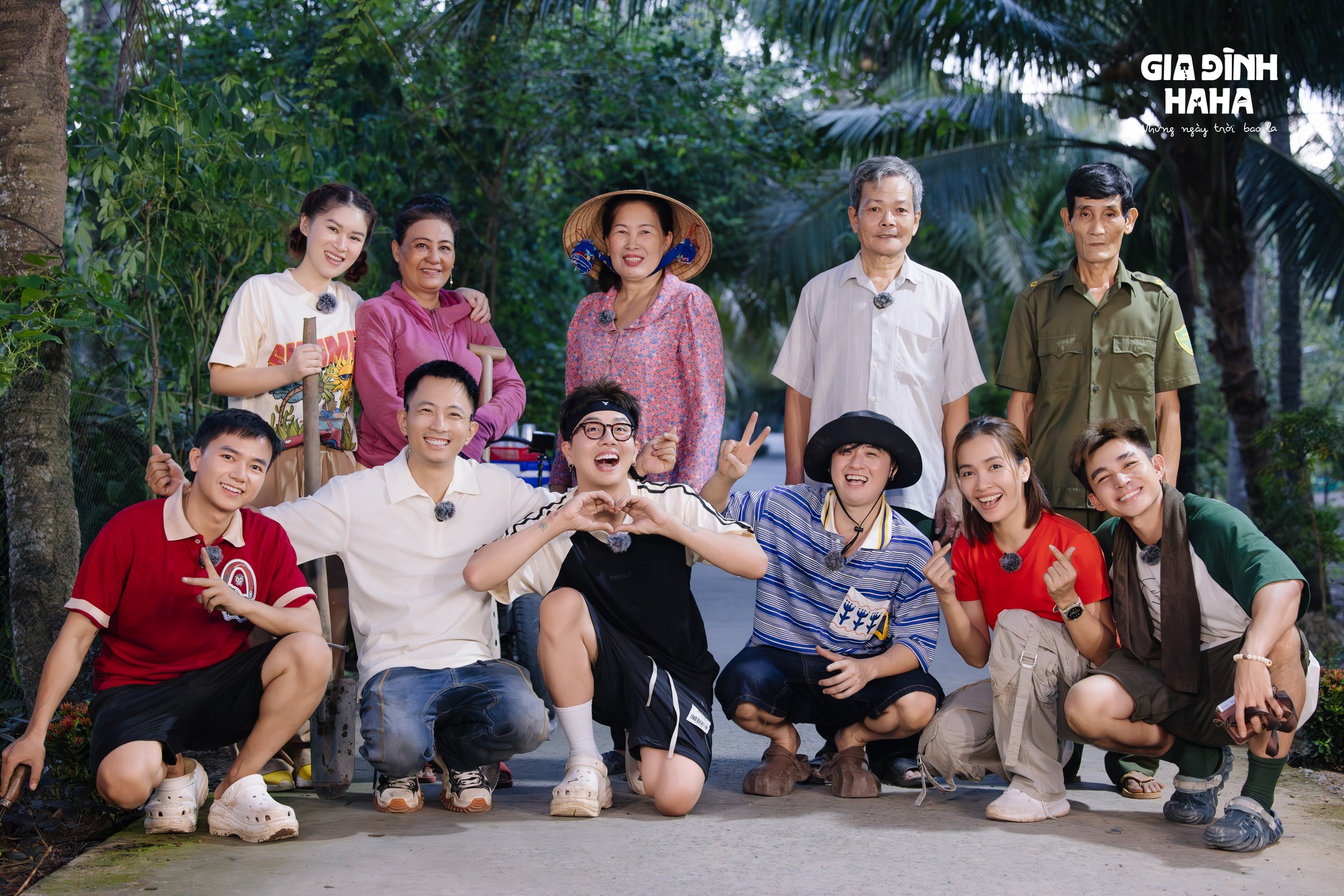
The success of "Gia Dinh Haha" marks an important turning point for policy communication work in Vietnam. Instead of just relying on conferences, reports, or direct propaganda campaigns, policymakers can absolutely turn to creative entertainment formats, combining the power of television and social media, to turn messages into experiences, so that audiences not only listen but also want to participate, share, and spread. From this, ministries, sectors, and localities can see a new path: policy is no longer on the podium or in the news bulletin, but can be present in the trips, meals, smiles, and daily stories of the people.
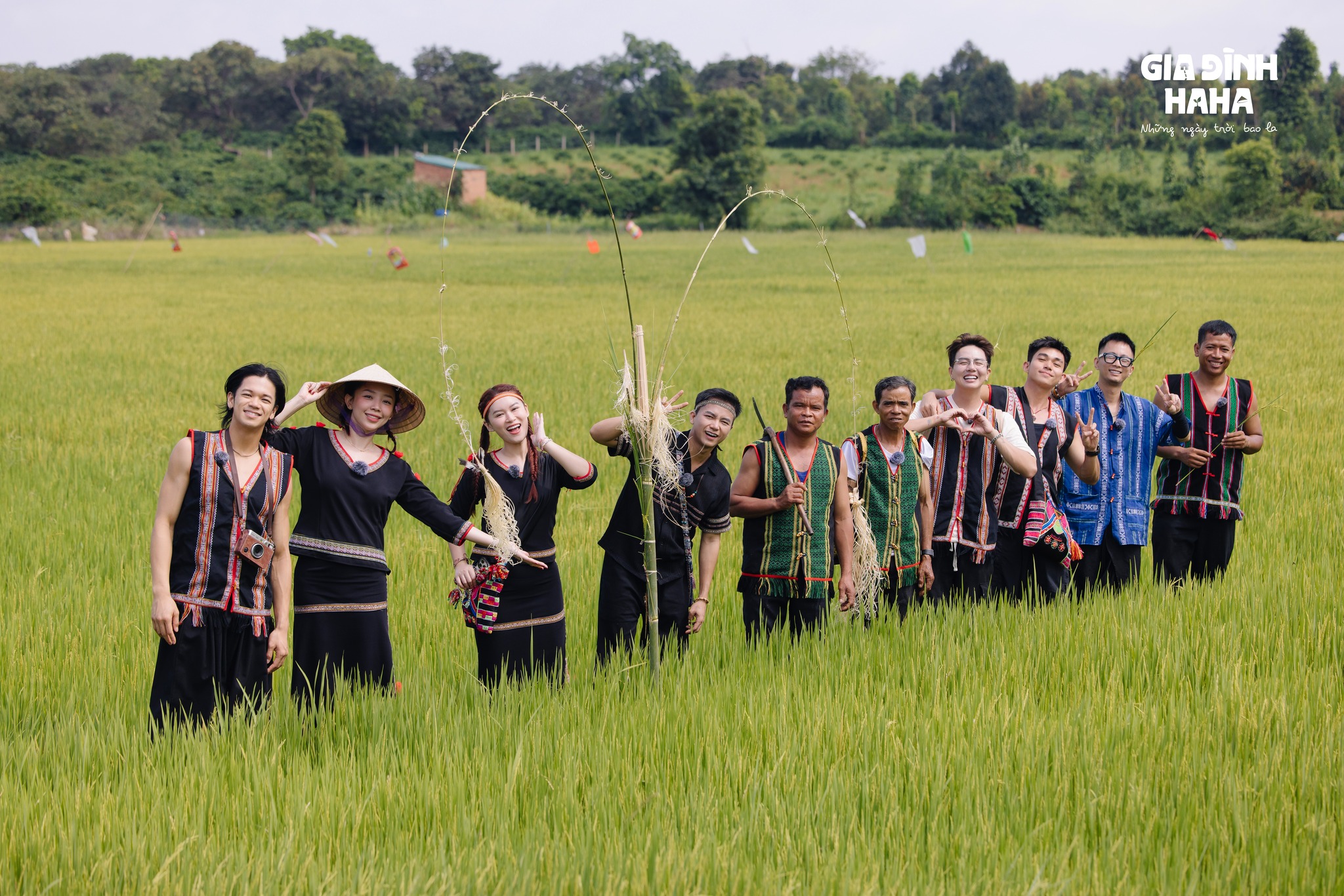
"Gia Dinh Haha" not only proves that policy communication can be appealing, but also shows it can bring real value to society and the community. That is an important lesson in the digital media age: to reach the public, policy needs to step out of its "comfort zone," becoming relatable, humanistic, and inspiring stories. And perhaps, that is the key for the policy message not just to be heard, but also to be felt and lived with in community life.
There will be a special episode, but no plans for a second season
The final episode of "Gia Dinh Haha", which aired on the evening of 20/9/2025, set a record with a runtime of nearly 5 hours but still reached 1.2 million views right after its live premiere and hit 2.5 million after 16 hours. To date, total views for the entire program have exceeded 86 million on YouTube. The "Gia Dinh Haha" program consists of 15 main episodes, with an average runtime of 90 to 120 minutes per episode, except for the final episode which lasted nearly 5 hours. Immediately after concluding the journey, the producer announced they would film a special leg called "Ban Lien: The Return" with the familiar artist lineup. This is seen as a tribute to the audience and also hints at the possibility of the program continuing with new seasons in the future, although an official schedule has not yet been confirmed.
Bài viết mới
Xem tất cả bài viết
Tin tức báo chí
'Anh Trai Vượt Ngàn Chông Gai': Bản sắc văn hóa dân gian bừng sáng rực rỡ
Vietnamplus - Thế hệ trước giữ lấy ký ức văn hóa, truyền lại ngọn lửa di sản - thế hệ sau tiếp nhận, chắt lọc và chuyển hóa bằng tư duy đương đại. Nhờ đó, dòng chảy văn hóa chưa bao giờ bị đứt gãy.

Tin tức báo chí
Từ xa lạ thành một mái nhà chung: Điều đẹp nhất ở "Anh Trai Vượt Ngàn Chông Gai 2026"
Báo Thể Thao & Văn Hóa - Càng theo dõi hành trình, khán giả càng nhận ra chương trình không chỉ có những màn trình diễn mà còn là cách những người đàn ông ấy dần trở thành anh em của nhau.

Tin tức báo chí
“Anh Trai Vượt Ngàn Chông Gai 2026”: Nhà Nguyên Tố mở màn ấn tượng, giành lợi thế tại Công diễn 3
HHTO - Mở màn vòng Truy kích Công diễn 3, Nhà Nguyên Tố gây ấn tượng với "We Win This Game" và sân khấu mang đậm màu sắc tuổi thơ. Số điểm 2.290 giúp cả nhóm nắm lợi thế trong cuộc đua mới.