

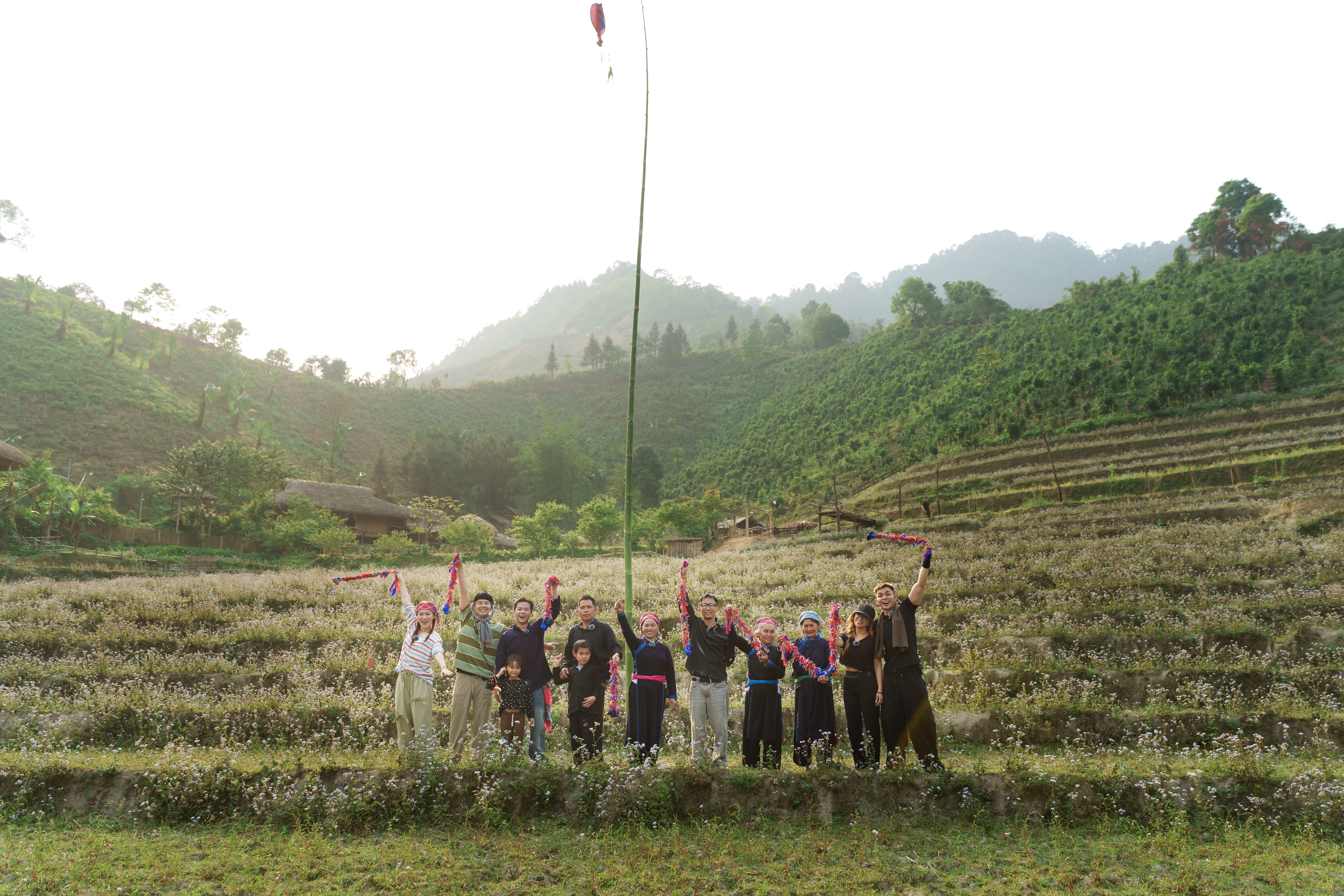
Destination Brand Management through Reality Television: A Case Study of “Gia Đinh Haha” and Implications for Vietnam’s Tourism Development
15:19 01/10/2025
This study analyzes the role of the family reality TV program “Gia Dinh Haha” in destination brand management and sustainable tourism development in Vietnam.
Abstract
In the context where media is an important driver of tourism stimulation, the program focuses on re-creating agricultural labor life, cuisine, and OCOP products in rural areas. To evaluate this impact, the research uses a qualitative method with a case-study design. The results show that the Program constructs an authentic brand story, promotes the transformation from awareness to tourism intention and behavior, and increases the volume of visitor searches and spending. This model encourages community-based and agricultural tourism, in which local people become co-creators of products. The study proposes policy recommendations to harness the potential of reality TV as a creative tourism promotion channel.
Keywords: Gia đình Haha, media-led tourism stimulus, experiential tourism, reality television, destination brand management
INTRODUCTION
“Gia Dinh Haha”, the Vietnamese version developed from China’s “Haha Farmer” model, produced in Vietnam and broadcast on VTV3, has created a distinctive mark. The program features beloved artists. Its core lies in immersing artists in the labor life of rural, mountainous, and coastal regions across Vietnam. Most filming locations chosen by the program bear strong regional characteristics yet have not been widely known like mass tourist spots.
“Gia Dinh Haha” not only stops at entertainment goals but also carries a profound socio-economic development message. The program helps promote OCOP products (One Commune One Product), honors traditional craft villages, and encourages forms of agricultural and community-based tourism. After the program airs, the destinations that appeared quickly see increased searches and widespread sharing on social networks, contributing to growth in visitor numbers, longer length of stay, and boosted visitor spending.
Applying theories on media-driven tourism stimulus and the experience economy, the article’s objective is to analyze the role and impact of “Gia Dinh Haha” on local tourism development, to compare it with similar programs in Vietnam, and to propose policy recommendations to leverage reality TV as a creative tourism promotion channel.
LITERATURE REVIEW
Media-led tourism stimulus has been affirmed by many international scholars as an important driver that boosts tourism demand. Beeton (2005) and Connell (2012) argue that the appearance of scenes in film and television can strongly influence destination perception, generating tourist flows eager for direct experience. Hudson and Ritchie (2006) point out that mass-media imagery, with its reach and emotional persuasion, can play a larger role than traditional promotion campaigns. UNWTO (2023) emphasizes that tourism products formed from mass media bring high economic value and, if well managed, contribute positively to cultural preservation.
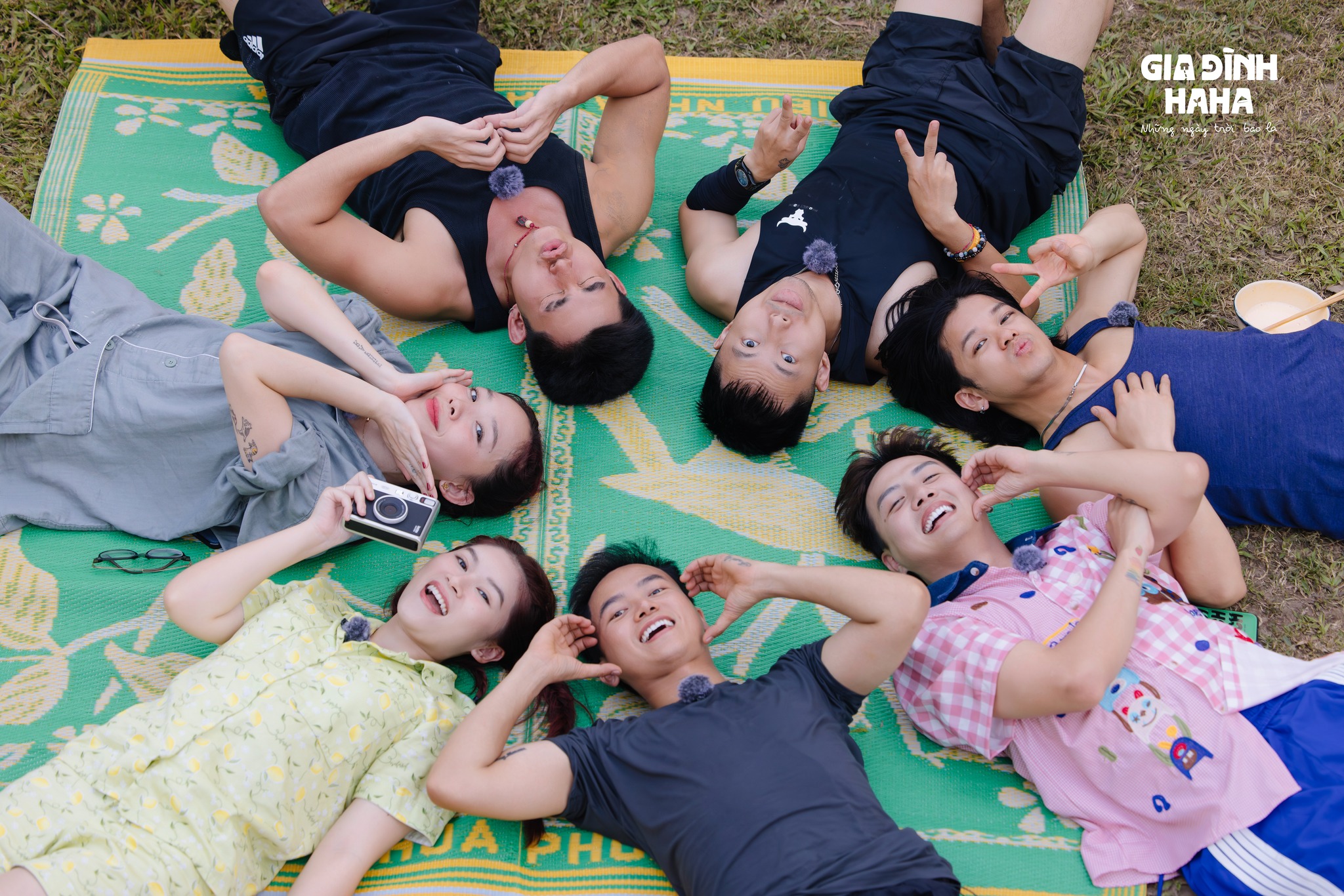
The experience-economy theory by Pine and Gilmore (1999) broadened the understanding of economic value, shifting from providing goods/services to staging unique, memorable experiences. In tourism, this approach is applied to design products that combine multiple senses to create superior value and increase spending (Oh, Fiore, and Jeoung, 2007). “Gia Dinh Haha”, by having artists engage in labor, agricultural production, and local cultural integration, illustrates an experiential-tourism model where audiences are inspired to participate and explore.
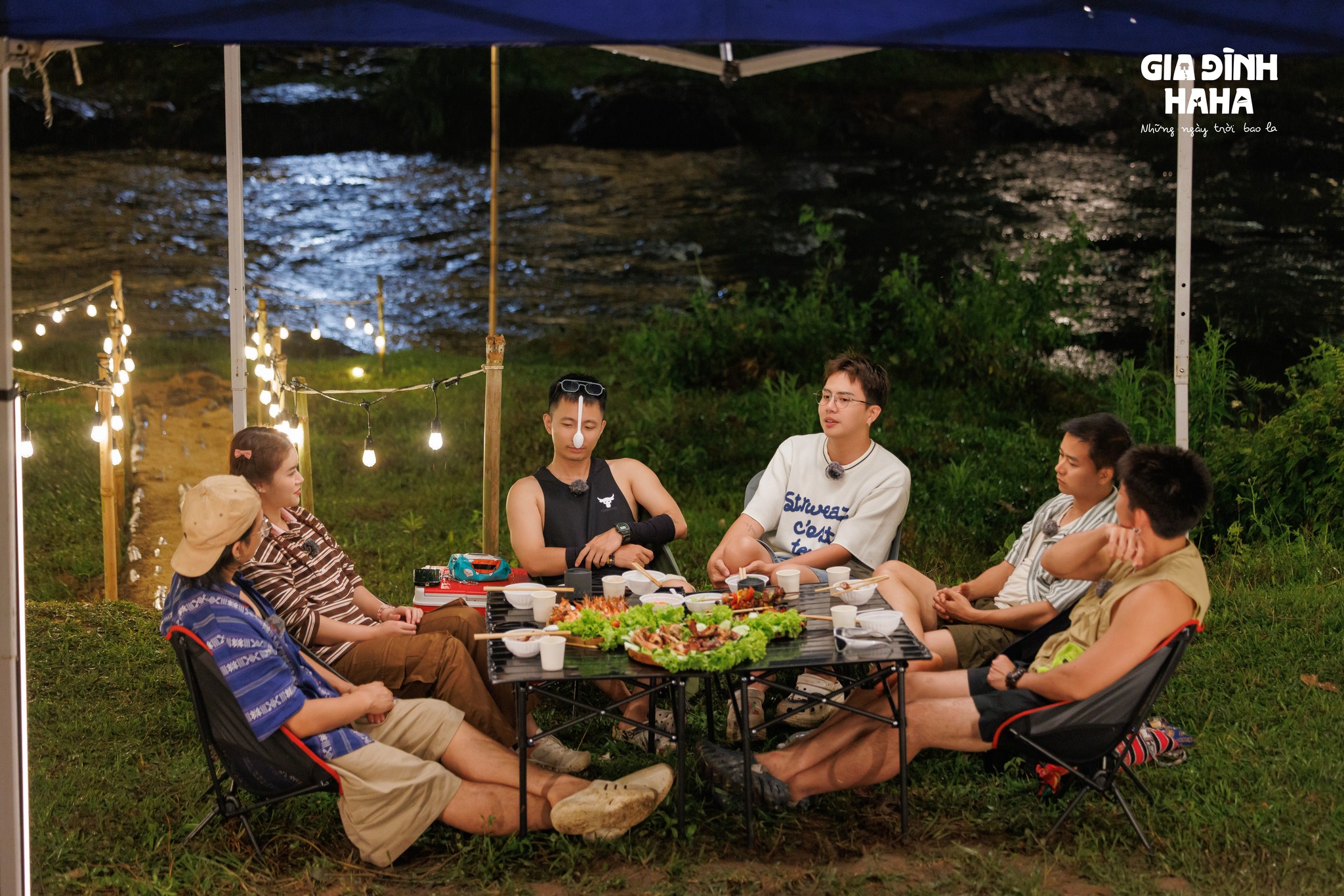
International research on reality television and tourism has demonstrated that programs across digital platforms can increase destination recognition and stimulate tourism demand (Skinner, Williams-Burnett, and Fallon, 2021). “Gia Dinh Haha” is a typical case of combining entertainment with cultural-tourism promotion. Unlike challenge-driven game shows, “Gia Dinh Haha” takes audiences alongside artists back to village spaces, re-creating production and daily life with local people, emphasizing OCOP products, traditional crafts, and community values. This creates a layered tourism story: authentic, rich in experience, and capable of directly stimulating visitors’ desire to visit, learn, and spend.
The review shows that although theoretical frameworks are abundant, applying them to family reality TV programs in Vietnam remains limited. Filling this gap - especially a comprehensive assessment of the mechanism from media to tourism behavior and the socio-economic impact of a program like “Gia Dinh Haha” - will provide practical grounds for localities and businesses to build tourism strategies linked with reality television.
METHODOLOGY
This study adopts a qualitative method with a case-study design to analyze in depth the extent and process by which “Gia Dinh Haha” affects local tourism development. The qualitative approach is chosen because the phenomenon studied combines mass media, destination imagery, tourist behavior, and socio-economic change - areas where purely quantitative data struggle to fully reflect the picture (Yin, 2018; Ghauri and Grønhaug, 2010).
Data collection follows desk-based research, making maximum use of secondary sources and available materials but processed with rigorous scientific methods. Core data sources include all broadcast episodes of “Gia Dinh Haha” on VTV3 and online platforms (YouTube, Facebook, TikTok), where follower counts, comments, and shares indicate the level of interest. In addition, press articles, interviews with the production crew, audience comments, and statistics from central/local tourism authorities are systematized. The latest reports by UNWTO, WTTC, and official figures from the Vietnam National Administration of Tourism (now the Vietnam National Authority of Tourism), as well as provincial Departments of Tourism where filming locations are based, are used for triangulation and trend validation.
Data are analyzed in three main steps. First, program content analysis identifies salient tourism elements (landscapes, cuisine, craft villages, festivals, OCOP, community interaction). These factors are coded and grouped into larger categories such as “agricultural production experiences,” “local cuisine and culture,” and “sustainability messaging.” Second, social-media interaction metrics are mined to assess diffusion and influence on travel intention, focusing on the relationship between aired content and audience reaction. Third, “Gia Dinh Haha” is compared with other reality programs that have driven tourism impacts domestically (2 Days 1 Night, Ký ức Hội An, Hành trình Kỳ thú) to extract similarities and differences in promotion mechanisms, visitor-attraction methods, and the level of local community participation.
The study uses data triangulation to ensure objectivity and reliability, combining cross-checks from three source groups: program content; press and social-media data; and industry statistics. Theoretical frameworks on media-led tourism stimulus (Beeton, 2005; Connell, 2012) and the experience economy (Pine and Gilmore, 1999) are applied as interpretive lenses to increase explanatory power and generalization.
The study has some limitations: it has not conducted direct surveys at filming sites, making it difficult to precisely quantify tourist growth. Social-media data may be affected by short-term virality or timing factors. To address this, the research prioritizes academic and official materials and suggests that follow-up studies add quantitative surveys and in-depth interviews.
FINDINGS
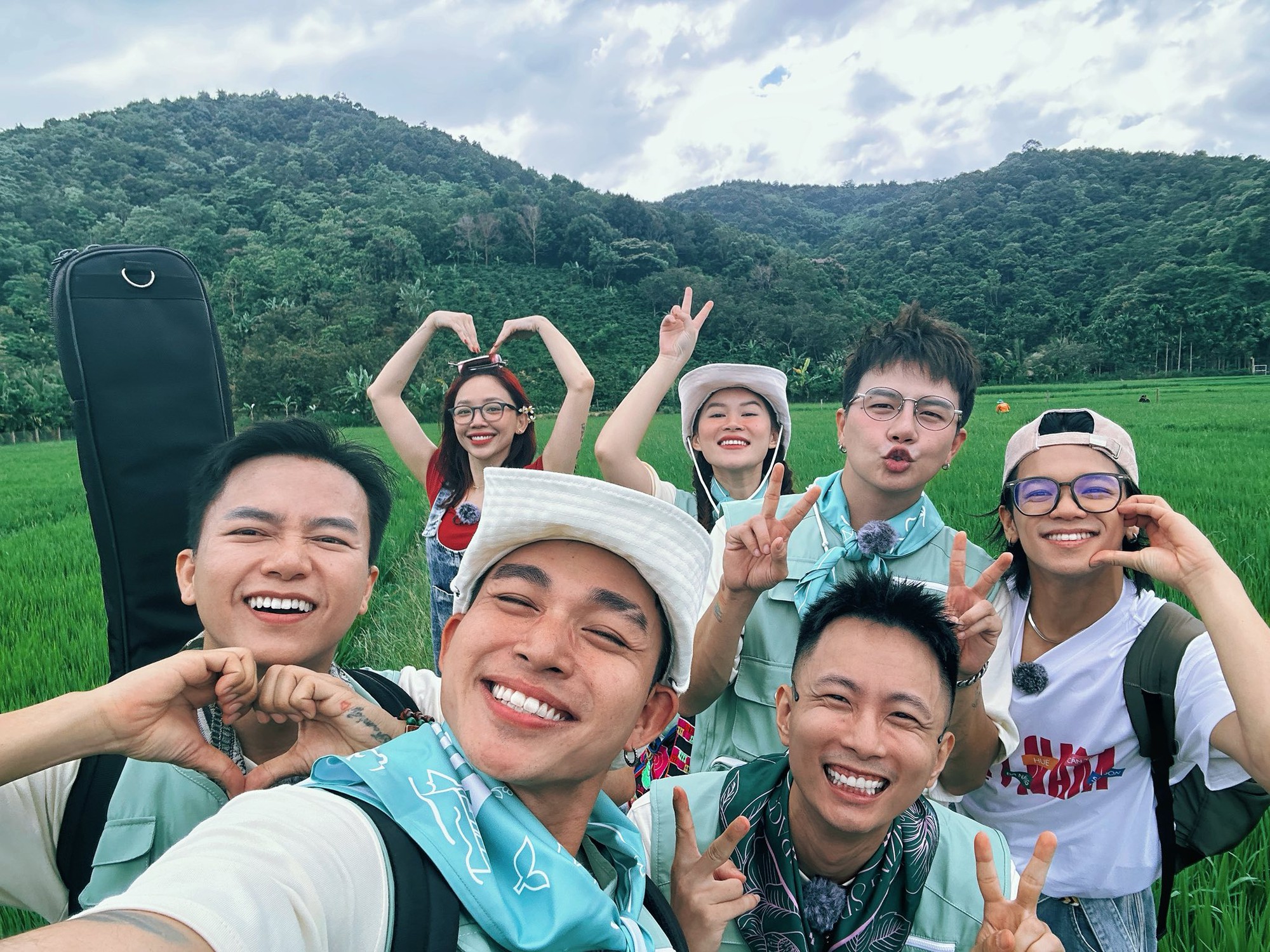
Qualitative analysis shows that “Gia Dinh Haha” operates as a “media-experience accelerator” capable of transforming dispersed cultural-geographic values into a coherent, memorable, and highly diffusive destination brand story. This mechanism lies in connecting three layers of content: (i) daily labor and life of local communities (sowing, harvesting, fishing, craft-making), (ii) local cuisine and produce (specialties, seasonal dishes, OCOP products), and (iii) landscapes and cultural spaces (villages, beaches, terraced fields, festivals, rituals). Artists’ direct participation in experiences, told with emotionally rich narration, creates a feeling of “co-journeying” for audiences, positioning the destination as a real living space rather than a “tourism stage.” This everyday, family-oriented quality creates strategic differentiation from challenge-centric game shows, allowing a re-creation of a continuous “life-experience” chain that aligns with contemporary tourists’ quest for authenticity.
The destination narrative structure is crafted in the sequence “enter the village – enter the craft – enter the taste.” The “enter the village” phase establishes place identity and social context; “enter the craft” re-creates local labor knowledge (tilling, transplanting, beekeeping, weaving…), revealing the “embedded content” of living heritage; “enter the taste” culminates in cooking and enjoying local dishes, accompanied by stories of seasons and customs. These three layers are mutually reinforcing, making destination imagery not only seen and heard but also seemingly “tasted” and “felt,” bridging directly to demand for real cultural-culinary experiences. This explains why distinctive products and local cuisine emerge as “activation points” for travel intention after airing.
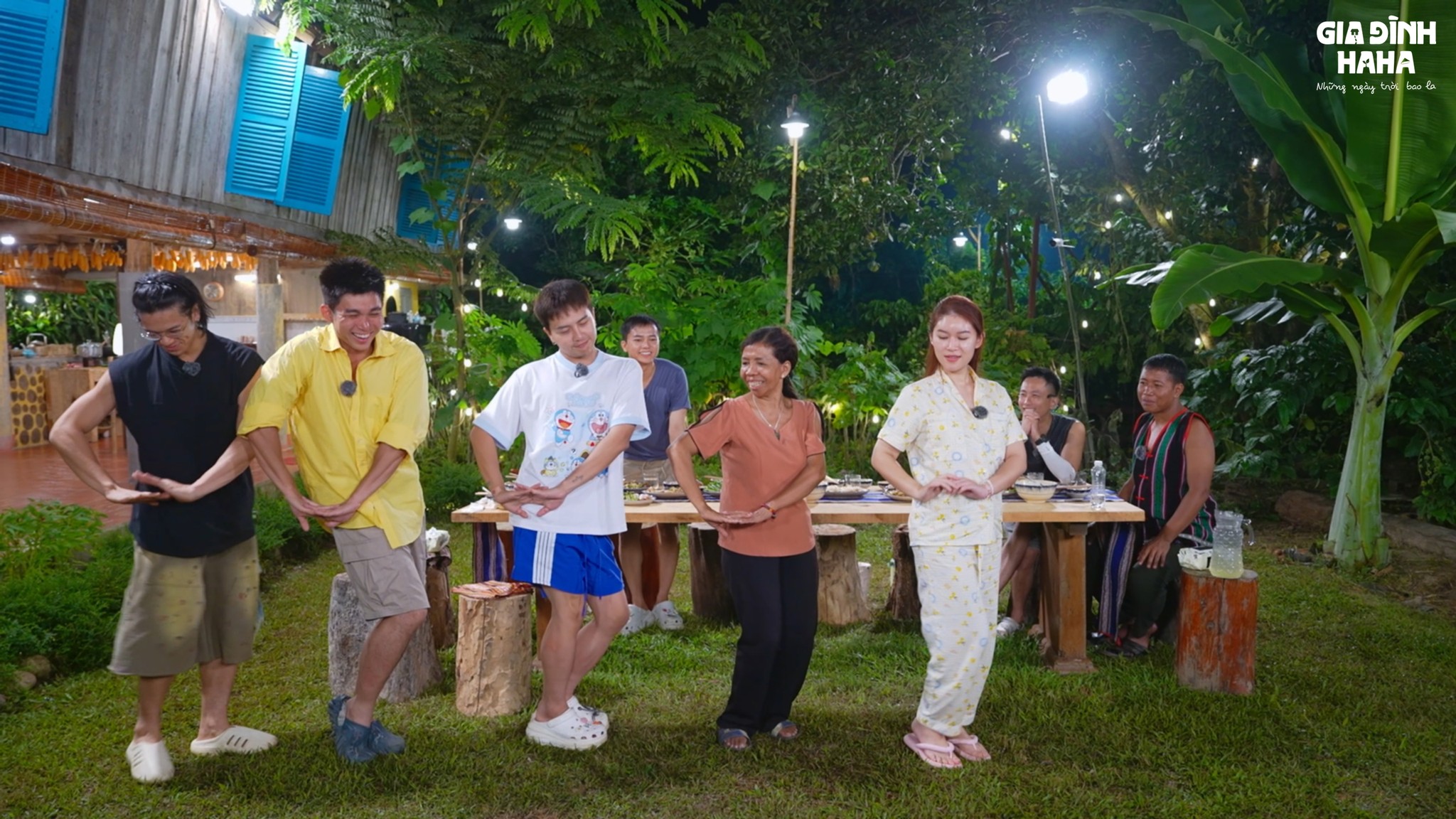
From a destination-branding perspective, “Gia Dinh Haha” forms a multi-layered association structure: the first layer is “identity keywords” (place names, dishes, traditional crafts); the second is repeating “iconic scenes” (village lanes, fish landing sites, early markets, hearths); the third is “dominant emotions” (warmth, authenticity, hospitality). This structure creates a consistent “brand story,” leading to post-airing effects such as increases in searches for place names, dishes, and routes; higher interaction on local social media; and the dense appearance of user-generated content (UGC) like check-in clips and dish re-creations.
On the demand side, analysis of digital traces shows a shift from awareness to intention and behavior occurring within a “window of interest” lasting several weeks after standout episodes air. Within this window, auxiliary content (food clips, behind-the-scenes, artists’ shares) acts as a “catalyst,” encouraging audiences to save destinations, invite companions, or pre-book basic services. The life–labor–cuisine content chain tends to be more durable than short-term spikes because it allows audiences to concretize plans step by step.
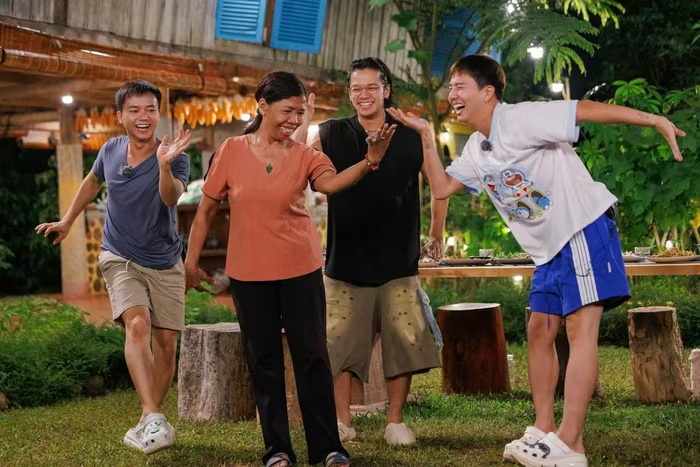
On the local supply side, “Gia Dinh Haha” provides momentum for small suppliers—households, artisans, OCOP cooperatives—to enter the “tourism track” as front-stage agents: craft instructors, local cooks, homestay hosts.
Comparative analysis indicates that “Gia Dinh Haha” differs in its level of “life immersion” and unhurried pacing, prioritizing everyday scenes instead of speed challenges. This rhythm is conducive to clarifying the value chain of OCOP products and culinary customs. As a result, the impact on tourism demand tends toward “living with” experiences lasting a few hours to a full day, leading to community-tourism packages structured as half-day or one-day offerings. This bonding pattern yields higher length of stay and average spend than brief stop-overs.
At the socio-economic level, the study records four diffusion pathways: direct revenue from household experience and food services; ancillary revenue from micro-transport, homestay accommodation, and handmade souvenirs; reputation-capability gains (standardizing guest reception, food safety, price lists, booking via social media); and community cohesion (residents proactively proposing “new experience points” or collaborating on short-form content). These four pathways converge toward one trajectory: upgrading communities’ “at-home hosting capability” with higher reliability.
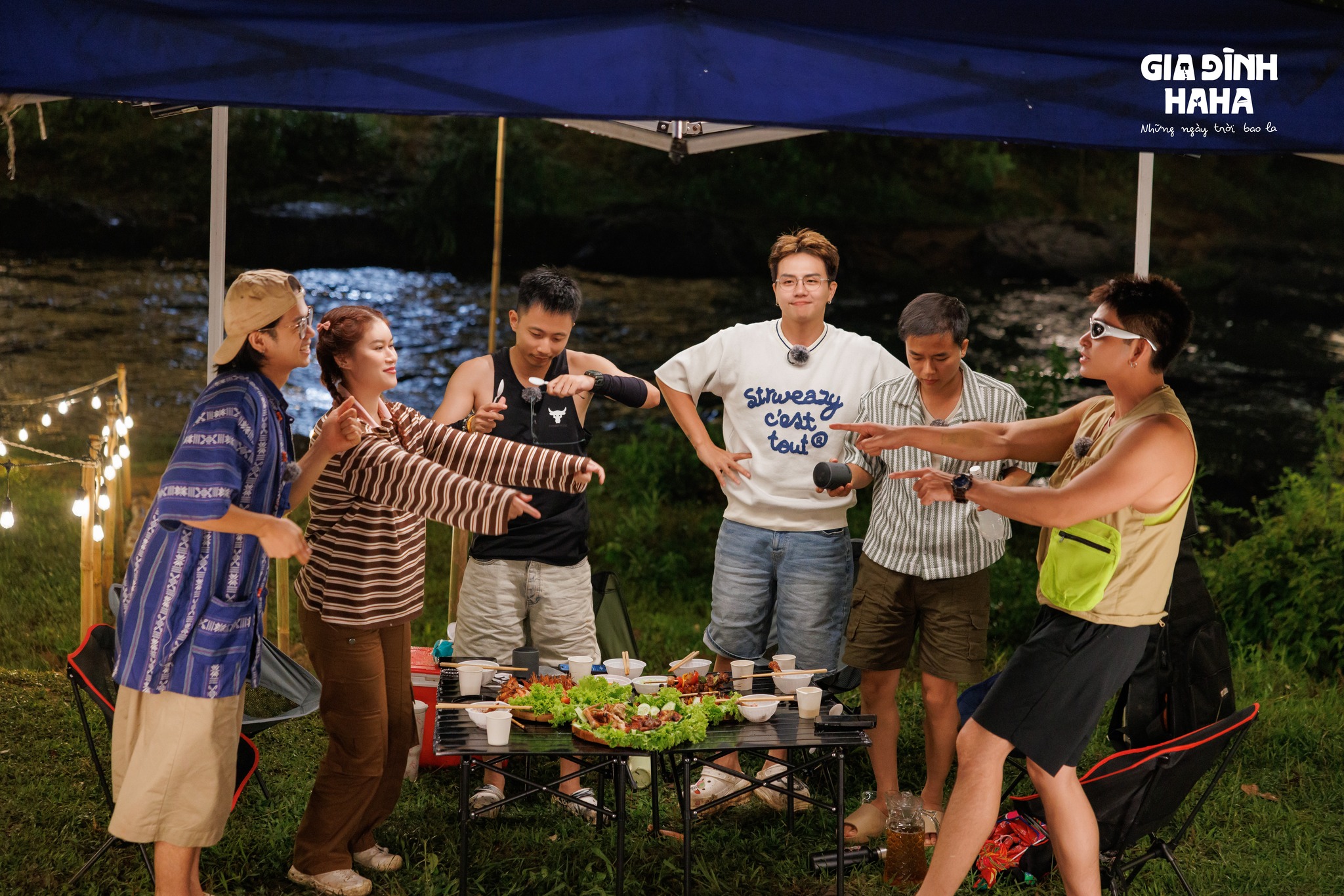
In destination governance terms, “Gia Dinh Haha” generates a “micro-experience map” paced with the program, distinct from traditional maps. This micro map helps authorities and tour operators design short routes with multiple small points, increase dwell time, and disperse visitor flows by hamlet - commune clusters. Coordinating the “broadcast rhythm – seasonal rhythm” opens a “seasonal sales window,” aligning with livelihood resources and each destination’s unique positioning, helping businesses develop products that “travel in the right season – eat in the right harvest – learn the right craft.”
Regarding sustainability, the content chain emphasizes labor, seasonality, and sharing, thereby honoring environmental-social limits as necessary conditions to keep experiences “flavorful.” When agro-fishery processes are made explicit, visitors tend to accept practical constraints (limited yields, seasonal dishes), reducing the risk of “harsh commercialization.” The program contributes to “expectation education” in the market, balancing experience, identity, and community carrying capacity.
However, media effects are short- to medium-cycle; without auxiliary post-airing layers (experience maps, booking guides), opportunities to convert intention into behavior will diminish. Uneven service capacity and the risk of “micro-overload” are also risks to recognize. To convert effects into sustainable benefits, three solution groups should proceed in parallel: standardize hosting capacity at the household/group level; design products aligned with seasonality; and deploy booking tools and soft capacity limits to regulate visitor flows.
An important finding is the “co-creation” role of artists and the community. This co-creation allows potential visitors to feel that the experience is not boxed in for passive viewers but opens up for active participants. From an experience-design viewpoint, the tourism product shifts from the logic of “watch and buy” to “do and belong.” This encourages respect for local rhythms because participants step into the role of “learners/guests of the house” rather than “consuming guests.”
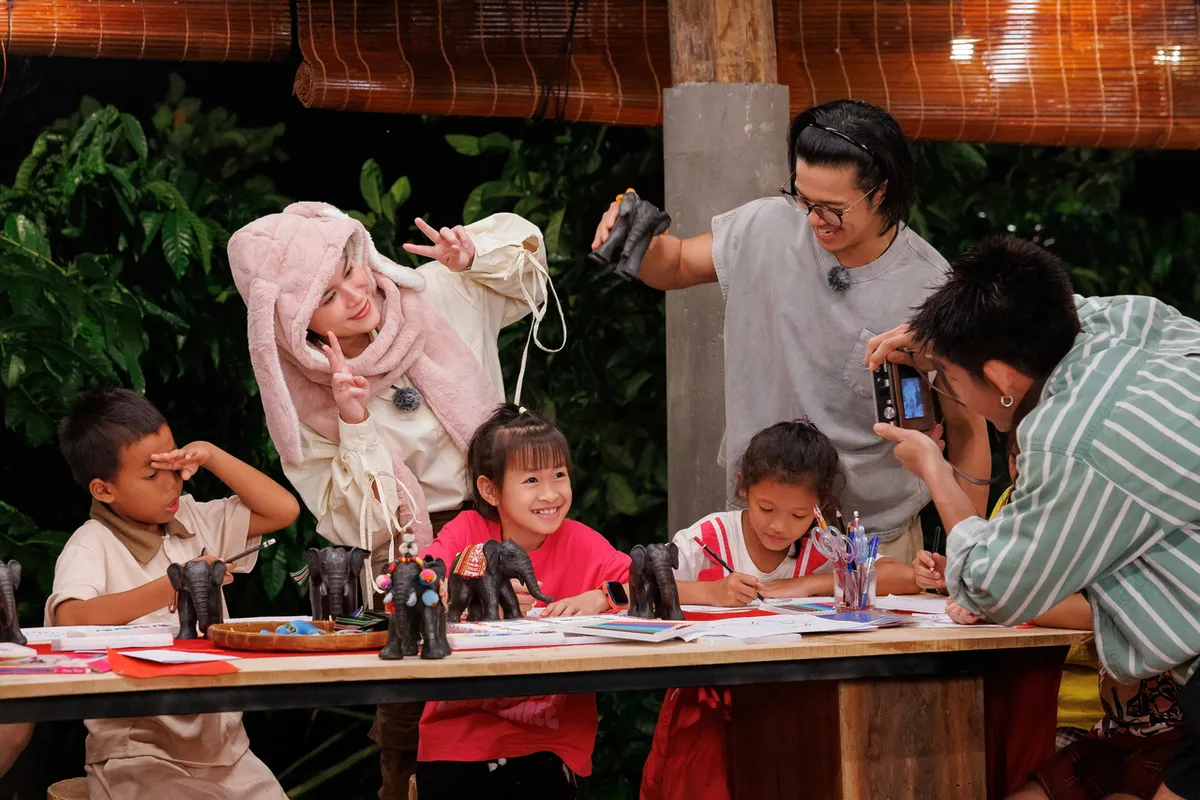
The impact model of “Gia Dinh Haha” follows a chain: life–labor–cuisine content forms a consistent brand story; the story evokes on-site exploration needs through “activation points” (dishes, traditional crafts, characters); the need is “converted” into behavior if soft infrastructure assists (booking information, seasonal calendars); on-site experiences then feed user-generated content, closing the media–tourism loop. The program proves the feasibility of stimulating local tourism through family reality TV, focusing on truthful depictions of labor–cuisine–seasonal customs tied to specific faces and the community’s finite receiving capacity.
DISCUSSION AND POLICY IMPLICATIONS
The results show that “Gia Dinh Haha” is not merely a mass-entertainment program but also functions as a tool for promoting sustainable tourism. An important contribution of the Program is creating a new model of community-based tourism in which local people are not just subjects being portrayed but become the principal co-creators of tourism products. Locals appearing as guides and sharers of indigenous knowledge creates two-way interaction, turning tourism experiences into processes of learning and collaboration. This model is a key driver for rural and mountainous development, helping disperse visitor flows, reduce pressure on overcrowded destinations, and promote community tourism in places with untapped potential. Compared with other programs, “Gia Dinh Haha” stands out by focusing on productive labor and family life, helping visitors better understand customs and nurturing conservation awareness. In terms of sustainable tourism, the Program emphasizes seasonality, local products, and traditional production methods, encouraging visitors to accept limits on quantity, timing, and natural conditions.
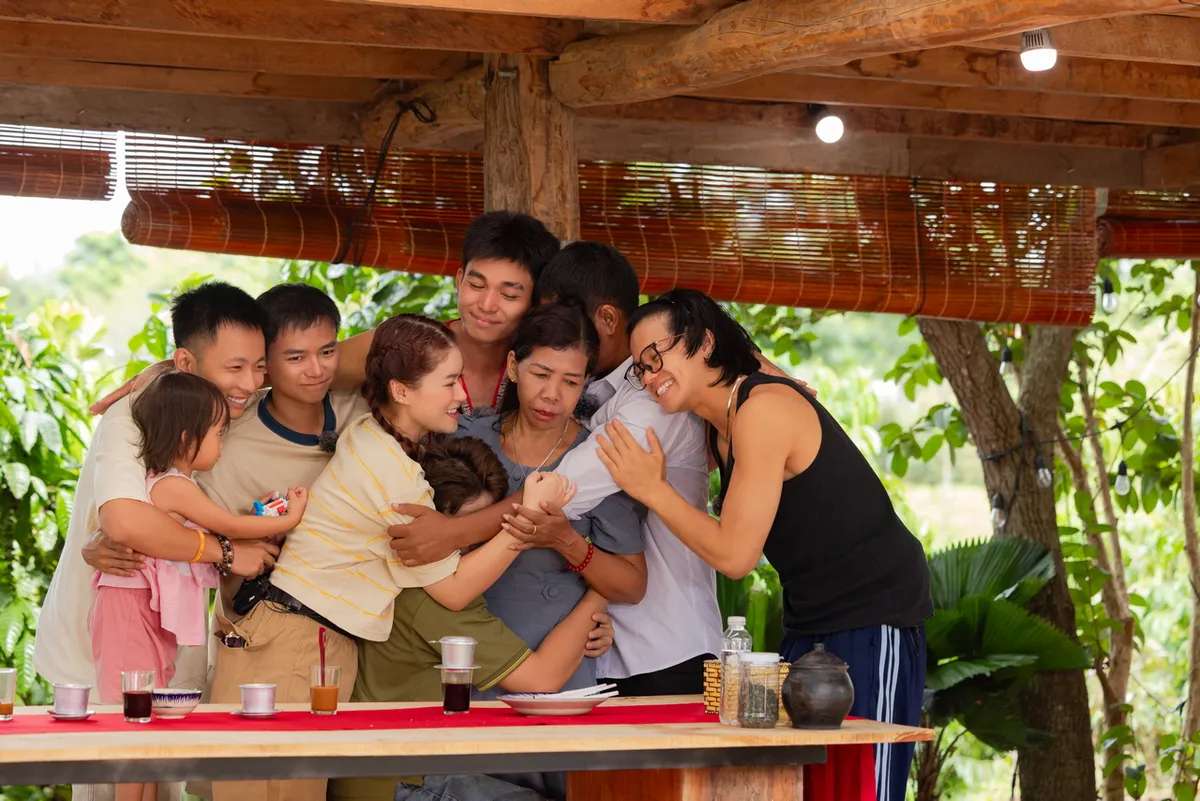
From the findings, the author proposes the following policy implications:
At the national level, establish mechanisms to encourage and support the production of reality TV programs linked with tourism, including simplifying permitting procedures and providing tax and technical-infrastructure support for film crews in remote areas. Issue a framework for the development of experiential tourism and media-driven tourism as a formal sub-sector to serve as a basis for long-term investment. At the same time, integrate reality TV programs with the strategy of promoting OCOP products to create synergistic effects, enabling agricultural products and traditional crafts to access markets rapidly.
At the local level, provinces and cities where the program is filmed should develop themed tourism plans, routes, and services that “ride on” the program, such as agricultural-experience tours, cooking classes, and standardized homestays. Local authorities should invest in training local human resources (guest-reception skills, food safety, tourism interpretation) so residents can participate directly in the value chain. In particular, setting up tools to coordinate visitor volumes and online booking will help control carrying capacity, reduce the risk of local overload, and enable visitors to plan in line with seasons and local customs.
At the enterprise and community level, encourage forms of co-creating tourism products based on the stories already introduced. Community-tourism cooperatives should be formed to link households, artisans, and young startups to provide integrated experience services, enhance competitiveness, and ensure fair benefit distribution.
Author: Tô Phan Long
Institute of Business Administration, University of Economics – Vietnam National University, Hanoi
Email: [email protected]
NEW POSTS
View All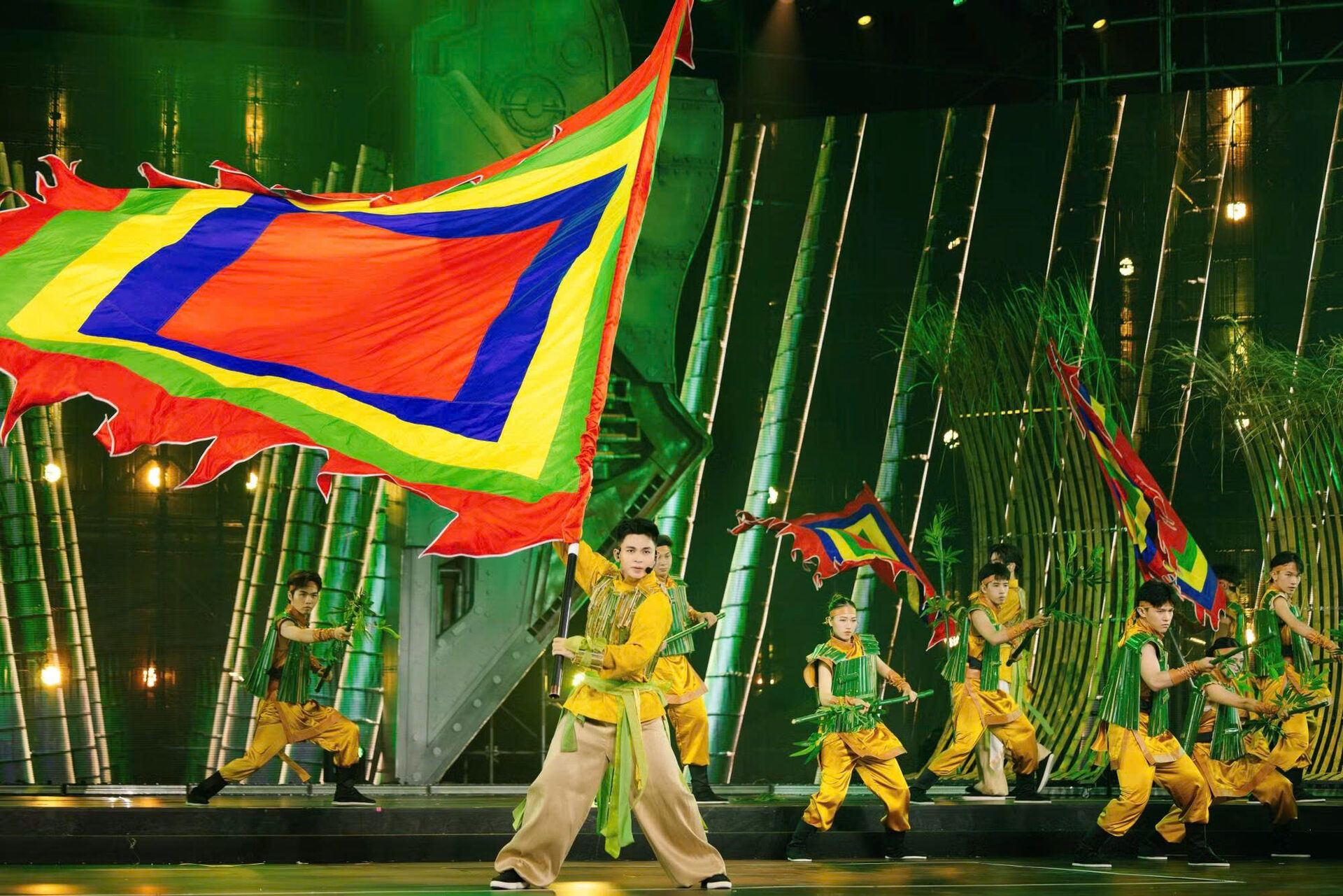
News
‘Anh Trai Vuot Ngan Chong Gai’: Folk cultural identity radiates brilliantly
Vietnamplus - The older generation preserves and passes down cultural heritage, while the youth refines and adapts it with a modern mindset, keeping the cultural continuum unbroken.

News
From strangers to a shared home: the most beautiful thing about "Anh Trai Vuot Ngan Chong Gai 2026"
The Thao & Van Hoa - the more viewers follow the journey, the more they realize the show is not only about performances, but also about the way those men gradually become brothers to one another.

News
"Anh Trai Vuot Ngan Chong Gai 2026": Nha Nguyen To delivers an impressive opening, gaining the upper hand in Performance 3
HHTO - Opening the Pursuit Round of Performance 3, Nha Nguyen To impressed with "We Win This Game" and a nostalgic childhood-themed stage, earning 2,290 points to take an early lead.